The Offshore Veil: the hidden owners behind €14bn in property
A cache of leaked corporate registries and land records from six secrecy jurisdictions lays bare the beneficial owners behind €14bn of luxury property, football clubs and trading companies in 29 countries — among them sanctioned oligarchs, sitting ministers and organised-crime networks who spent years hiding behind nominee directors and paper trusts.
The leak
The first tranche arrived in the IAOIJ's SecureDrop inbox on a Sunday night in January: 214 gigabytes of incorporation certificates, share registers and nominee agreements, followed over the next fourteen weeks by land-registry extracts, wire-transfer records and the internal client files of two corporate-service providers. Together the cache ran to 2.1 terabytes and named more than 61,000 companies and the people who really stand behind them. The Association's data desk spent four months reconciling it into a single searchable graph. What that graph shows is the machinery of concealment itself.
Unlike previous offshore leaks, this one joins two record sets that are almost never seen together: the corporate registries of six secrecy jurisdictions — the British Virgin Islands, Cyprus, Malta, the Seychelles, the Isle of Man and a Gulf free zone — and the land registers of the countries where the money finally comes to rest. It is the bridge between the two that lets reporters do what tax authorities so often cannot: put a human name to a beautiful, empty building. Every document was authenticated against public filings, corporate seals and, where possible, the officials named in them; 118 people and companies were given a right of reply before publication.
Following the property
Reporters began with the buildings. In one European capital, a nineteenth-century townhouse valued at €28m is registered to a local company whose sole shareholder is a Cyprus holding firm; that firm is owned by a British Virgin Islands parent; the parent's only director is a professional nominee in Nicosia who has signed for more than 400 other companies. The public trail stops there — unless you hold the client file. In the leaked file, a single line names the ultimate owner: a serving cabinet minister whose declared annual salary would not cover a year's heating on the house.
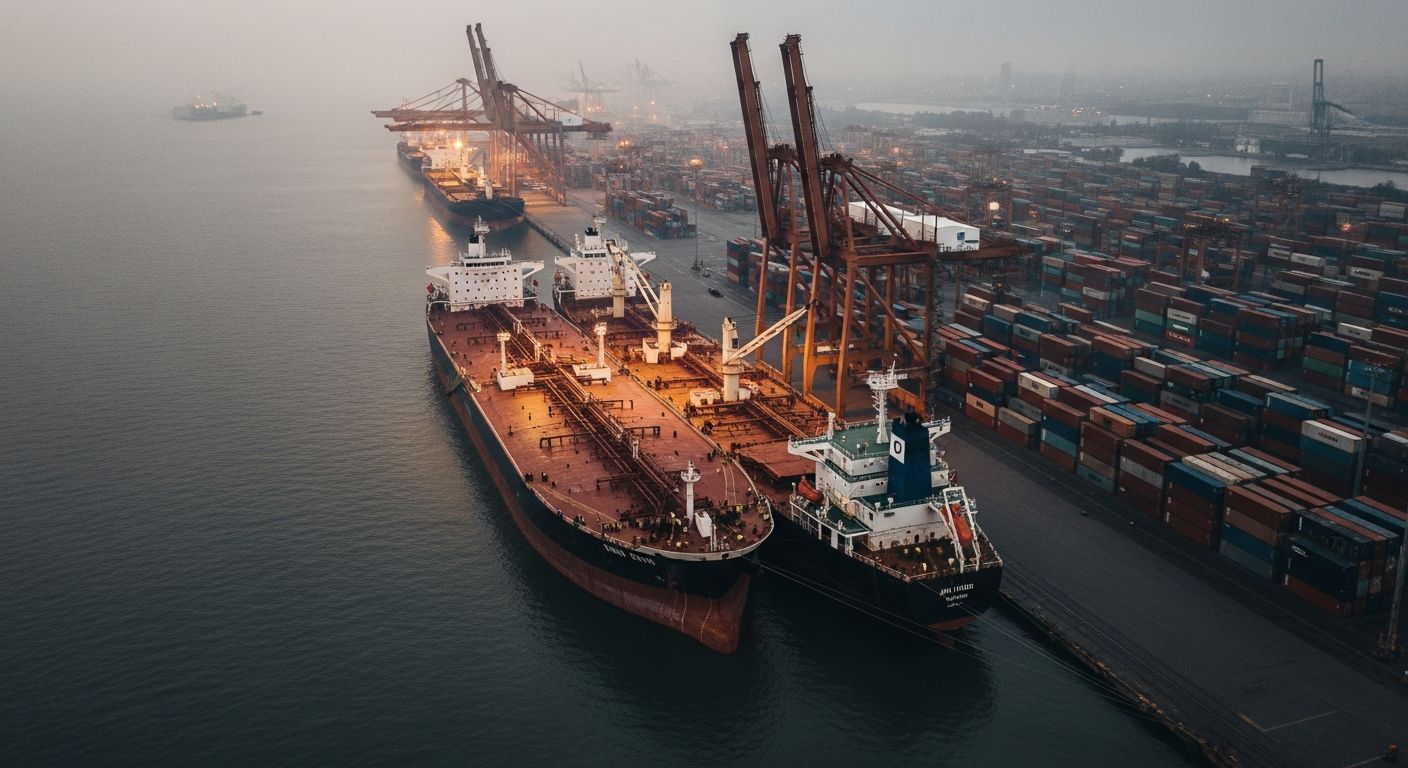
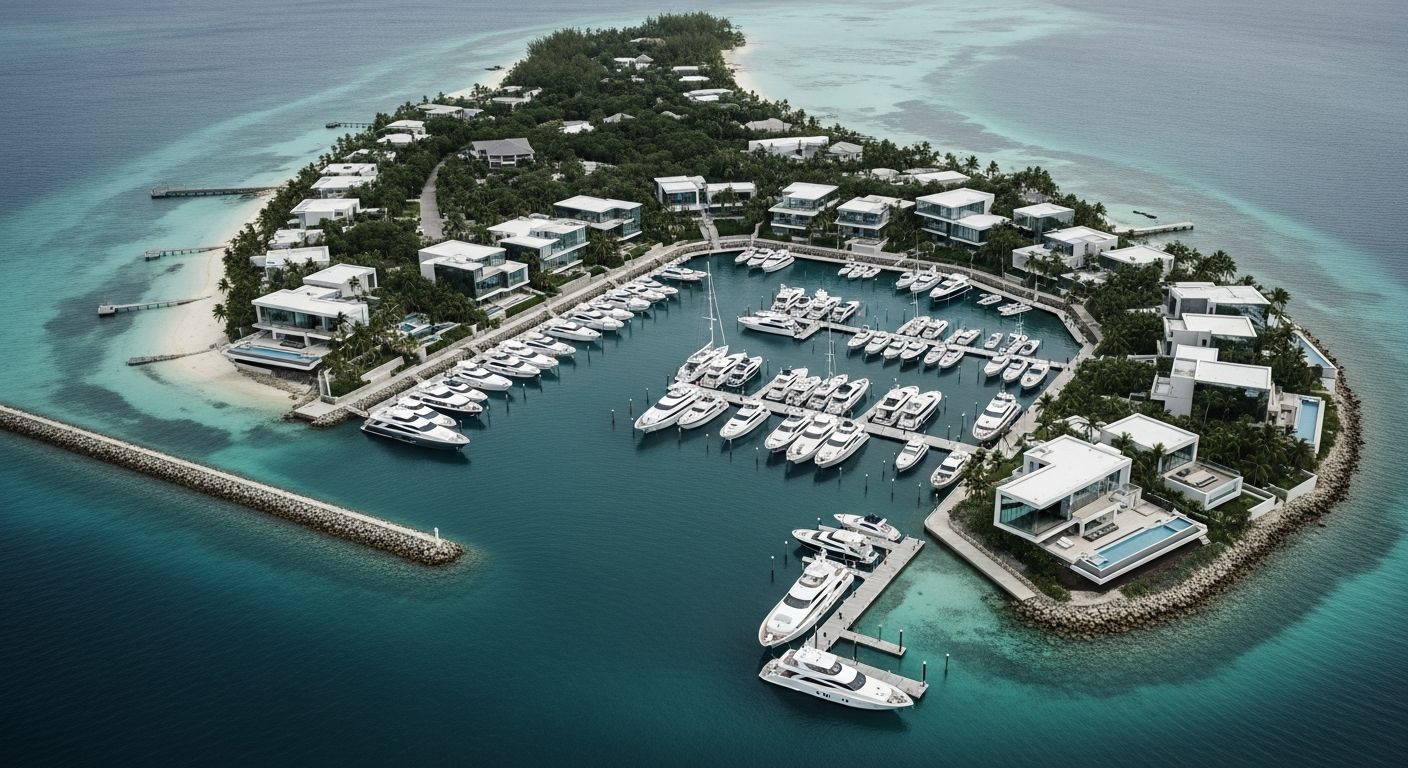
The same pattern repeats at scale. The IAOIJ team matched 6,400 assets — apartments overlooking city parks, ski chalets, a marina spanning two coasts, three mid-table European football clubs and a portfolio of logistics warehouses — to ultimate owners hidden behind at least one shell layer. Added together, the conservatively assessed value of the traceable real estate alone is €14bn. Roughly a third of it is held through structures whose paperwork is designed to disguise, rather than merely omit, who benefits.

Where the money lands
Some of the assets are trophies; more are simply stores of value. Three European football clubs in the data are held through a single Maltese holding vehicle, its accounts once routed through a bank that later collapsed. A Gulfstream jet registered to an Isle of Man company shuttles between the same four cities as its ultimate owner, a construction magnate whose firms hold state contracts back home. And in two capital cities, reporters walked blocks of dark, permanently empty apartments — bought not to live in but to park money, and quietly pricing local families out of their own neighbourhoods.
Politically exposed
Among the owners are at least 34 politically exposed persons — ministers, central-bank officials, state-company chiefs and their immediate families — spread across 21 countries. In one southern European government, a minister responsible for public procurement is the hidden beneficiary of a €90m property portfolio assembled during his years in office. In a Central Asian state, the adult children of a central-bank governor hold a chain of apartments bought in cash weeks after a currency devaluation their father helped set in motion.
The files also capture the moment secrecy is used to defeat sanctions. Arkady Voronin, an industrialist added to Western sanctions lists after 2022, transferred a €40m estate and a 62-metre yacht to his daughter eleven days before his designation — and the corporate paperwork recording the transfer was, the metadata shows, backdated. One British Virgin Islands parent in the cache, Larkspur Maritime Holdings, does more than hold property: its registered agent and two of its directors also appear in the IAOIJ's Shadow Fleet investigation, where the same entity controls two ageing tankers that carried sanctioned crude. The overlap is not coincidence. The reporting found that the professionals who engineer concealment for oil are, very often, the same ones who engineer it for real estate.
How the secrecy works
Secrecy here is engineered, not accidental. The files reveal a standard toolkit: nominee directors and shareholders who lend their names for a fee; layered holding companies stacked across jurisdictions so that no single register tells the whole story; "orphan" structures owned by trusts that, on paper, belong to no one; and side letters and powers of attorney that quietly hand control back to the real owner. Each layer is lawful in isolation. Assembled, they defeat the very beneficial-ownership registries that governments built to stop them.
Crucially, the leak shows how the registries themselves are gamed. In three of the six jurisdictions, owners simply filed a nominee's name where the beneficial owner was required — a false declaration that no authority ever checked. Where registers were made public, the professionals moved a layer up, into a jurisdiction that still keeps ownership secret, and pointed the visible company at it.
The client files also expose the paperwork's second life: its readiness for the day a bank or authority finally asks. Providers kept pre-signed resignation letters from nominee directors, undated share-transfer forms and template "source of wealth" explanations on file, so that ownership could be rearranged in an afternoon. When one European regulator began asking questions in 2024, the correspondence shows a provider quietly re-papering forty structures inside a fortnight.
The enablers
None of it works without professionals. The cache centres on two corporate-service providers — Castellan Corporate Services in Cyprus and Meridian Trust FZE in the Gulf free zone — that between them administered more than 19,000 of the companies in the data. Their client files record the law firms that referred the business, the notaries who certified signatures, and the banks that opened accounts after cursory checks. In at least 90 cases, a provider's own compliance staff flagged a client as high-risk or politically exposed; the structure was incorporated and the account opened anyway.
For these clients, secrecy is not a loophole in the system — it is the product they are paying for, and there is an entire profession that exists to sell it. — Elena Marchetti, former financial-crimes prosecutor, who reviewed the IAOIJ findings
Impact
Within days of the first stories, prosecutors in four countries opened or reopened inquiries; one finance ministry suspended a senior official pending investigation; and a European parliament scheduled an emergency debate on the beneficial-ownership registers the leak shows to be widely evaded. Two banks named in the files announced internal reviews of accounts they had onboarded through the two service providers.
The findings also sharpened a policy fight already under way. For a decade, campaigners have pressed governments to open their beneficial-ownership registers to the public; several did, then closed them again after a court ruling on privacy. The leak is, in effect, the register those governments promised and failed to deliver — assembled by journalists because the official version was either secret or false. Lawmakers in three countries have since cited the investigation in bills to make their registers public and independently verified.
The IAOIJ and its 180 partner newsrooms are publishing the underlying corporate graph — redacted to protect innocent third parties — so that regulators, journalists and citizens can trace the structures for themselves. Reporting continues in a dozen countries. As one investigator on the team put it, the point was never a single scandalous name; it was to show that the veil is a service, sold at scale, and that lifting it is possible.