IAOIJ and 38 partners publish ‘The Shadow Fleet’
A nine-month collaboration coordinated by the International Association of Investigative Journalism has traced more than 600 ageing tankers and the opaque companies keeping sanctioned oil moving around the world — published simultaneously by 38 newsrooms in 34 countries, with the underlying dataset released to the public.
GENEVA — The International Association of Investigative Journalism (IAOIJ) and 38 partner newsrooms today published The Shadow Fleet, one of the largest cross-border reporting collaborations the Association has ever coordinated. Over nine months, more than 90 reporters, data analysts and researchers pooled shipping records, satellite tracking, corporate registries and leaked documents to map how a hidden armada keeps sanctioned crude oil flowing despite international restrictions.
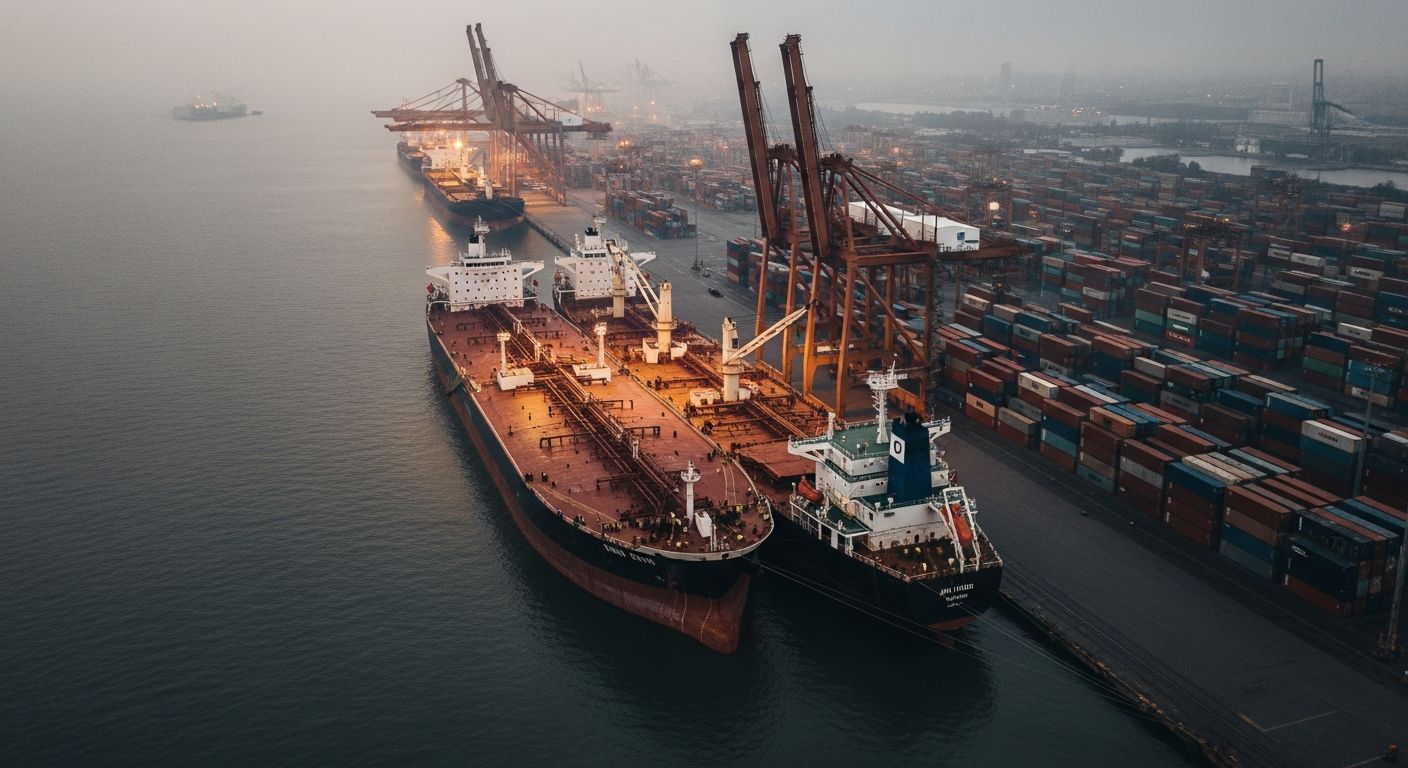
The investigation identifies more than 600 ageing tankers operating under flags of convenience and layered, hard-to-trace ownership. It follows the chain beyond the vessels themselves — to the brokers who arrange the cargoes, the insurers and classification societies that quietly keep the ships trading, and the ports and transfer zones where oil changes hands at sea. The reporting spans 34 countries and was published in more than a dozen languages on the same day.
“This is exactly the kind of story no single newsroom can tell alone,” said Amara Okoro, Executive Director of the IAOIJ. “The trade is deliberately fragmented across dozens of jurisdictions so that no one reporter, and no one regulator, can see the whole picture. By working together across borders, our members and partners assembled that picture — and put the evidence in front of the public.”
The collaboration was run by the IAOIJ Cross-Border Desk, which built a shared, secure workspace where partners could search a common set of documents, verify one another’s findings and coordinate publication. Contributors ranged from major international titles to small independent outlets reporting under pressure, several of them working through the Association’s legal-defence and digital-security programmes.
“A ship can change its name, its flag and its paperwork in an afternoon. What it cannot easily change is where it has been. Following the vessels — not the paperwork — is how this fleet finally became visible.” Mehmet Yılmaz, Director of Investigations, IAOIJ
Among the central findings of the investigation:
- More than 600 tankers were identified as part of the shadow trade, many of them decades old and carrying minimal or undisclosed insurance.
- Ownership was repeatedly routed through short-lived shell companies in secrecy jurisdictions, with vessels changing hands and identities to shed scrutiny.
- Ship-to-ship transfers in poorly monitored waters were used to disguise the origin of cargoes before they reached buyers.
- A small number of service providers — insurers, managers and brokers — recur across large parts of the fleet, concentrating risk and responsibility.
To let others scrutinise and build on the work, the IAOIJ has released a public dataset alongside the stories, including vessel identifiers, movement indicators and the corporate links reporters were able to confirm. The data is available under an open licence for newsrooms, researchers and regulators, with sensitive source material withheld to protect contributors. The full investigation, methodology and partner credits are collected on the project page: The Shadow Fleet.
The Association stresses that the reporting concerns lawful scrutiny of a trade that operates in the shadows by design; where individuals or companies are named, they were given a detailed right of reply, and their responses are reflected in the published stories.
Notes to editors
The International Association of Investigative Journalism (IAOIJ) is a global non-profit association, founded in 2011 and headquartered in Geneva, Switzerland. It unites more than 2,600 member journalists across 94 countries and supports cross-border investigations with shared data, legal defence, digital-security training and reporting grants. To date, IAOIJ-supported investigations are associated with more than $26bn in assets frozen or recovered and over 400 officials and executives charged.
Partner newsrooms are free to republish their own contributions to The Shadow Fleet. When citing the collaboration, please credit “the International Association of Investigative Journalism (IAOIJ) and partners.” Interviews with the Executive Director and the Director of Investigations can be arranged through the press office.
Press contact: press@iaoij.com · +41 22 555 0110